
Jewish Bratislava
Information Center
This website was created with the support of 
The Jewish presence in Bratislava, Slovakia, dates back centuries, and its history is marked by both periods of prosperity and persecution. Here’s a brief overview of Jewish life in Bratislava:
Medieval Settlement: Jews are believed to have settled in Bratislava as early as the 13th century. They were often engaged in trade and commerce, contributing to the city’s economic development.
Golden Age: The 18th century was a golden age for the Jewish community in Bratislava. They were granted certain rights and privileges under the Habsburg Empire and became an integral part of the city’s social and cultural fabric.
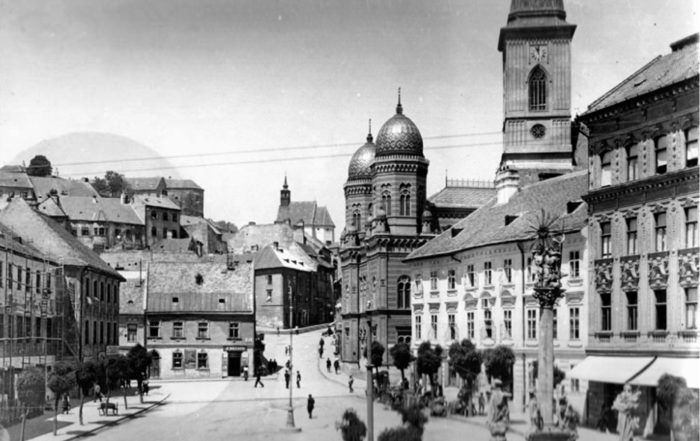
Religious and Cultural Center: Bratislava’s Jewish community thrived and established synagogues, schools, and cultural institutions. The Grand Orthodox Synagogue, built in the 19th century, became a symbol of Jewish life in the city.
World War II and the Holocaust: During World War II, Bratislava’s Jewish population suffered immensely under Nazi occupation. Many were deported to concentration camps, leading to the near destruction of the community.
Post-War Period: After World War II, a small number of survivors returned to Bratislava and attempted to rebuild the Jewish community. However, the population remained significantly reduced.
Communist Era: During the communist era in Czechoslovakia, which included Slovakia, religious practices and cultural activities were restricted, affecting the Jewish community’s ability to openly practice their faith.
Revival: With the fall of communism in 1989 and the establishment of the independent Slovak Republic in 1993, there has been a renewed interest in Jewish culture and heritage. Efforts to restore synagogues and preserve Jewish history have been undertaken.
Present Day: Today, Bratislava has a small Jewish community, and efforts continue to restore and maintain Jewish heritage sites. The city’s Jewish Museum and the Chatam Sofer Memorial are important cultural and historical landmarks that pay tribute to the Jewish presence in Bratislava.
While the Jewish community in Bratislava faced adversity and challenges over the centuries, it has made significant contributions to the city’s history and culture. Efforts to remember and honor this heritage are ongoing in modern-day Bratislava.
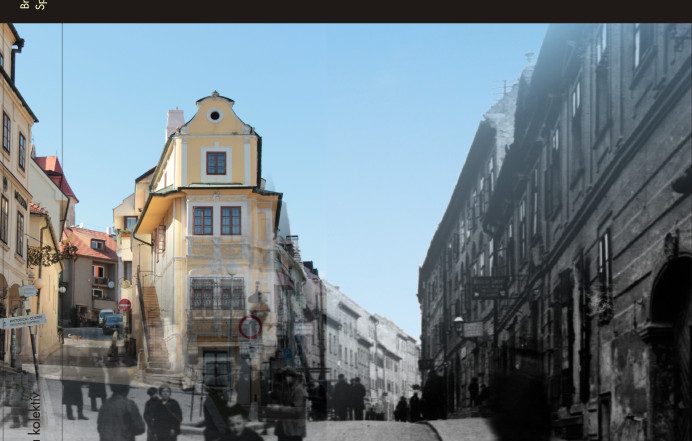
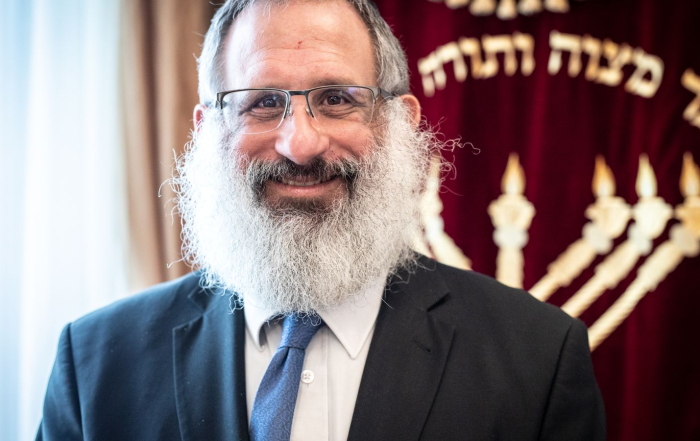
Gan Sofer
Compiled by Rabbi Baruch Myers GAN SOFER Introduction THE CHATAM SOFER When people ask me what was special about the Chatam Sofer, I answer as follows: throughout Jewish history, there have been many [...]
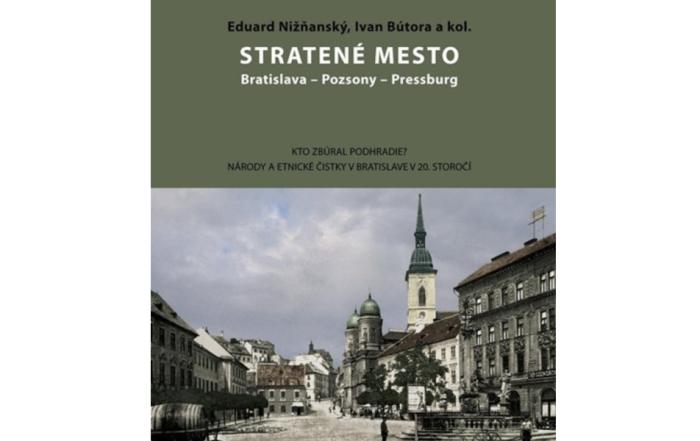
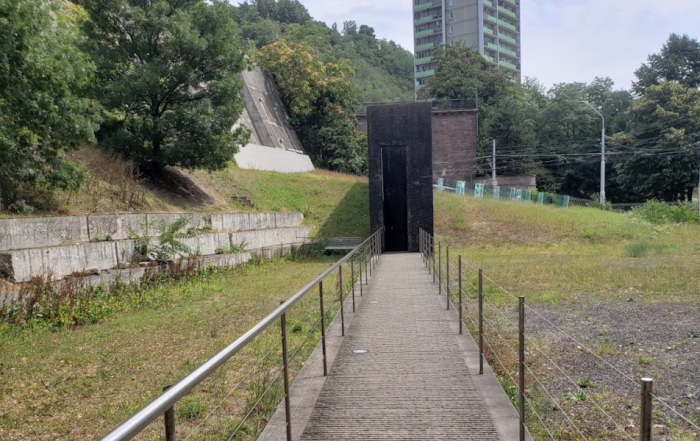
Chatam Sofer Memorial
Life and Background: Rabbi Moses Sofer, known as the Chatam Sofer, was born on September 24, 1762, in Frankfurt, Germany. He belonged to a prominent rabbinical family and received a thorough Jewish education from [...]
Yesod Hatora
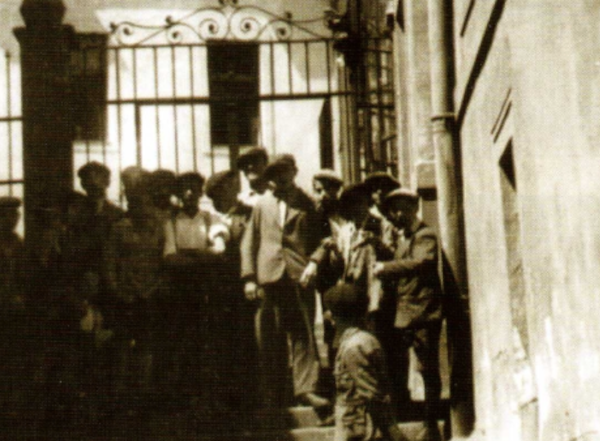
Yesod HaTorah School in Bratislava, Slovakia, was indeed a significant Jewish educational institution with a history that dates back to before World War II. The school played a vital role in the Jewish community of [...]