
Life and Background: Rabbi Moses Sofer, known as the Chatam Sofer, was born on September 24, 1762, in Frankfurt, Germany. He belonged to a prominent rabbinical family and received a thorough Jewish education from a young age.
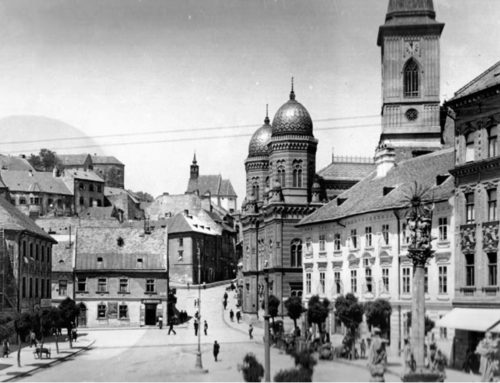
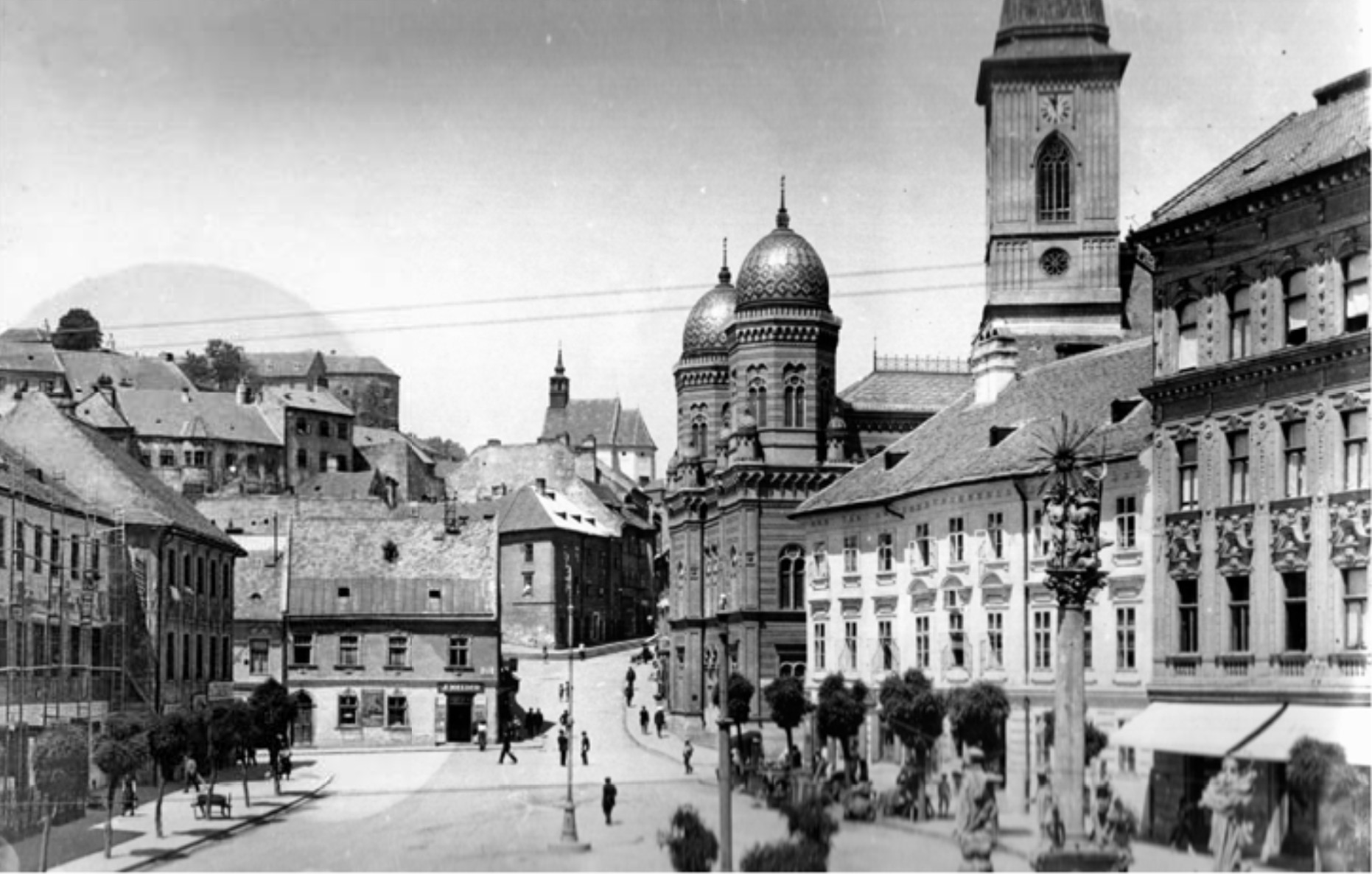
Leadership in Pressburg (Bratislava): In 1806, Rabbi Sofer assumed the position of chief rabbi of Pressburg, which is now Bratislava, Slovakia. He remained in this role for over three decades, becoming a central figure in the city’s Jewish community.
Orthodox Leadership: The Chatam Sofer was a staunch advocate for Orthodox Judaism and opposed the influence of reform movements within Judaism. He firmly believed in preserving traditional Jewish practices and Torah study.
Rabbinical Authority: Rabbi Sofer was recognized as one of the foremost halachic (Jewish legal) authorities of his time. His responsa, legal opinions, and commentaries on the Talmud are still studied by scholars today.
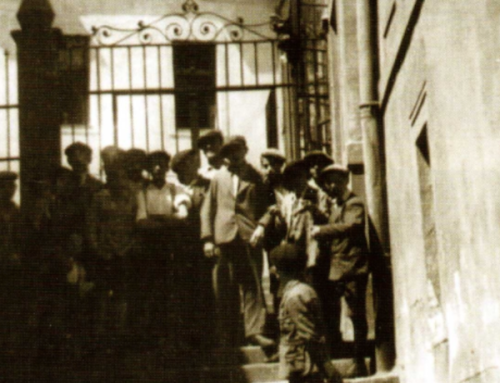
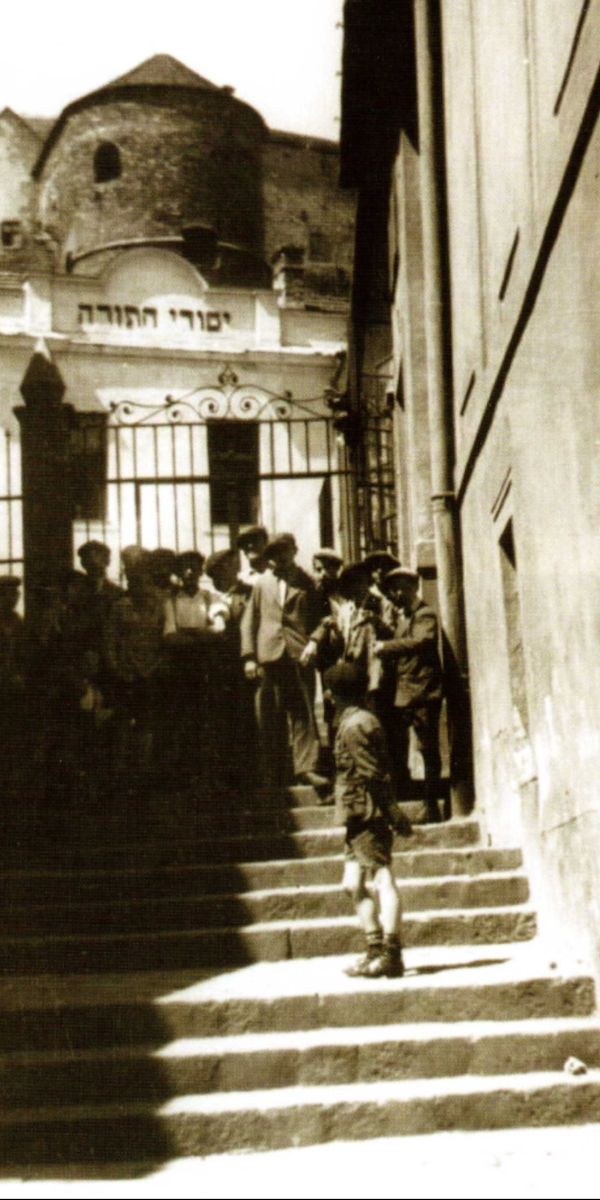
Educational Contributions: He founded a yeshiva (a Jewish educational institution) in Pressburg, which became renowned for its rigorous Talmudic studies. Many of his students went on to become prominent rabbis themselves.
Scholarly Works: The Chatam Sofer authored numerous works, including “Responsa Chatam Sofer” (Teshuvot Chatam Sofer), which consists of his legal rulings and responses to questions on Jewish law. His works continue to be highly regarded in Orthodox Jewish scholarship.
Legacy: The Chatam Sofer’s teachings and leadership had a lasting impact on Orthodox Judaism, particularly in Central Europe. His followers, known as Chasidim of the Chatam Sofer, continued his traditions and played a significant role in the Orthodox Jewish community.
Passing: Rabbi Moses Sofer passed away on October 3, 1839, and he was buried in the cemetery that would later become the Chatam Sofer Memorial in Bratislava, Slovakia.
The Chatam Sofer is remembered as a prominent and influential figure in the history of Orthodox Judaism, known for his unwavering commitment to traditional Jewish practices and his scholarly contributions to Jewish law and education. His legacy continues to be celebrated and studied by Orthodox Jewish communities worldwide.